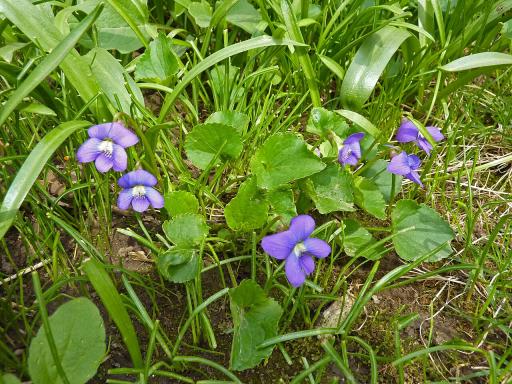
Wild Violet
Viola sororia
Identified By Unknown Guest
Viola sororia, commonly known as the common blue violet, is a short-stemmed herbaceous perennial plant native to eastern North America. It is well known for its heart-shaped leaves and attractive purple, blue, or white flowers.
Growth & Dimensions
Ideal Environment
Eastern North America
Climate: Temperate climates with moderate rainfall and seasonal changes.
Native Regions
Care Guide
Watering
Keep the soil evenly moist. Water deeply during dry spells, allowing the top inch of soil to dry out between waterings.
Sunlight
Prefers partial shade, especially protection from intense afternoon sun, but can tolerate full sun in cooler climates.
Soil and Fertilizer
Thrives in rich, well-draining soil with organic matter. Fertilization is usually unnecessary unless the soil is very poor.
Propagation Methods
Division
Divide overcrowded clumps in early spring or autumn and replant.
Seed
Sow seeds directly in the garden in fall or cold stratify them before spring sowing.
Common Diseases & Pests
Powdery Mildew
FungalWhite or gray powdery spots on leaves and stems.
Apply appropriate fungicide or neem oil, and improve air circulation.
Ensure proper spacing and avoid overhead watering.
Properties & Benefits
Uses & Health Benefits
Edible and Medicinal Uses
Leaves and flowers are edible, rich in vitamins A and C, and can be used in salads or made into soothing teas.
Precautions: Ensure plants are free from pesticides and chemical treatments.
Key Nutrients / Compounds
OTHER PLANTS
Wild Violet
Viola sororia, commonly known as the common blue violet, is a short-stemmed herbaceous perennial plant native to eastern North America. It is well known for its heart-shaped leaves and attractive purple, blue, or white flowers.
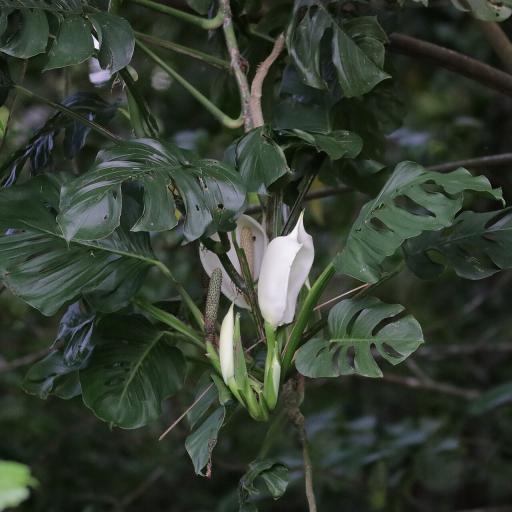
Swiss Cheese Vine
Monstera adansonii is a popular tropical vine known for its characteristic leaf holes, known as fenestrations. It makes a stunning indoor houseplant, often trained to climb on a pole or trellis.
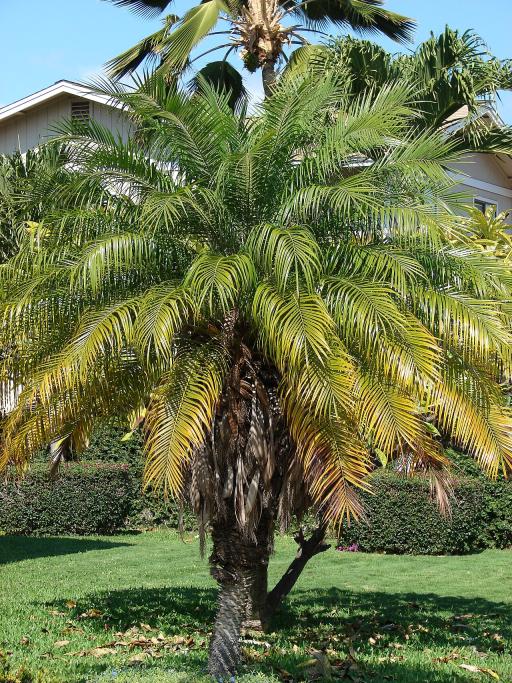
Pygmy Date Palm
Phoenix roebelenii, the pygmy date palm, is a species of palm native to southeastern Asia. It is widely grown as an ornamental plant in tropical and subtropical regions, and as an indoor plant in cooler climates.
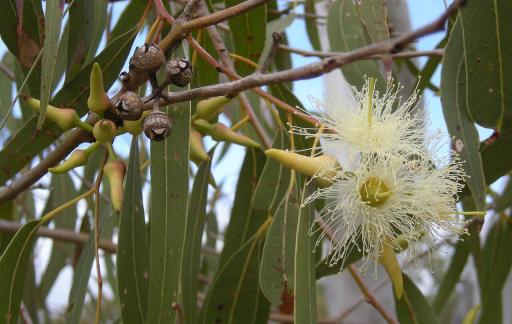
Eucalyptus
Eucalyptus is a diverse genus of flowering trees and shrubs in the myrtle family, Myrtaceae. Native to Australia, they are widely known for their aromatic leaves and essential oils.
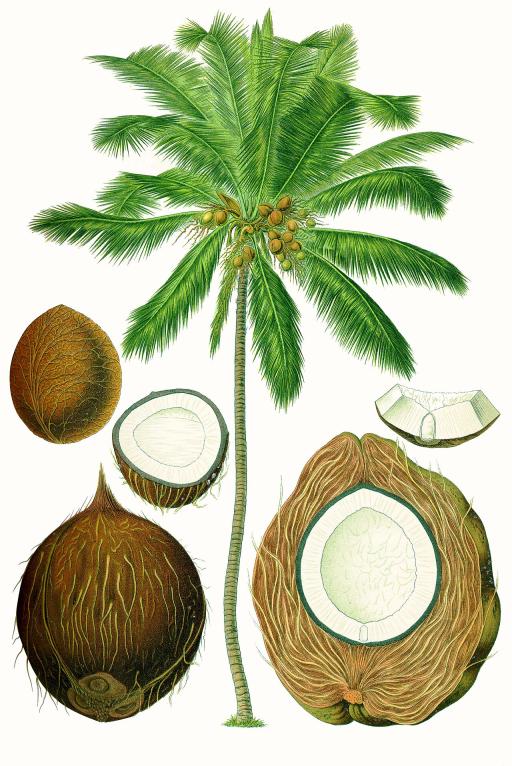
Coconut Palm
Cocos nucifera, commonly known as the coconut palm, is a large palm belonging to the family Arecaceae. It is famous for its great versatility, ranging from food to cosmetics, and thrives in tropical coastal environments.
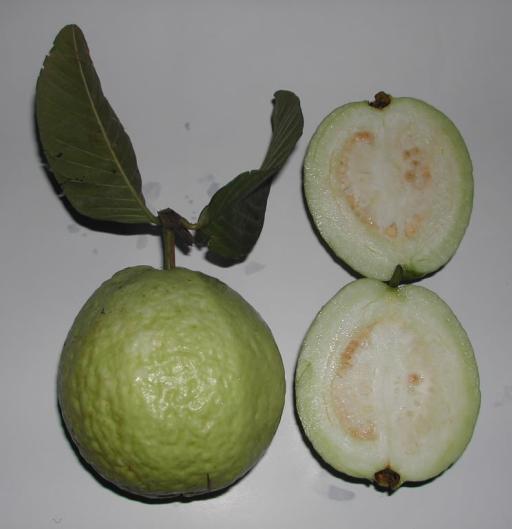
Guava
Psidium guajava (guava) is a small tree or shrub in the family Myrtaceae native to the tropics. It is widely cultivated for its edible fruit and has medicinal properties.
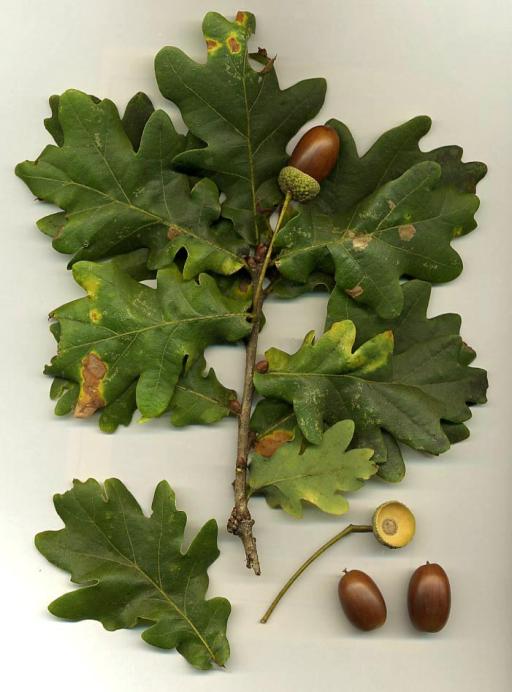
Oak Tree
Quercus robur, commonly known as the English oak or roven, is a large deciduous tree belonging to the beech and oak family Fagaceae, known for its longevity and grand canopy.
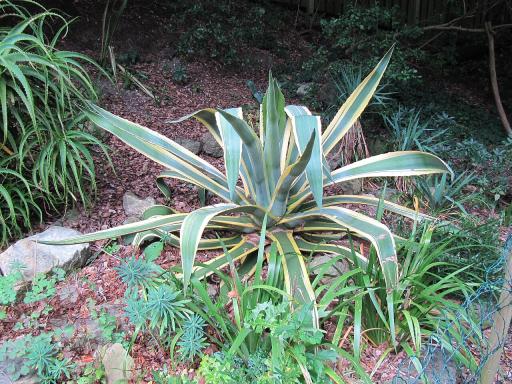
Variegated Century Plant
Agave americana 'Marginata' is a striking succulent featuring large, spiky blue-green leaves bordered with creamy yellow margins. It forms a massive, architectural rosette and is extremely hardy and drought-tolerant once established.
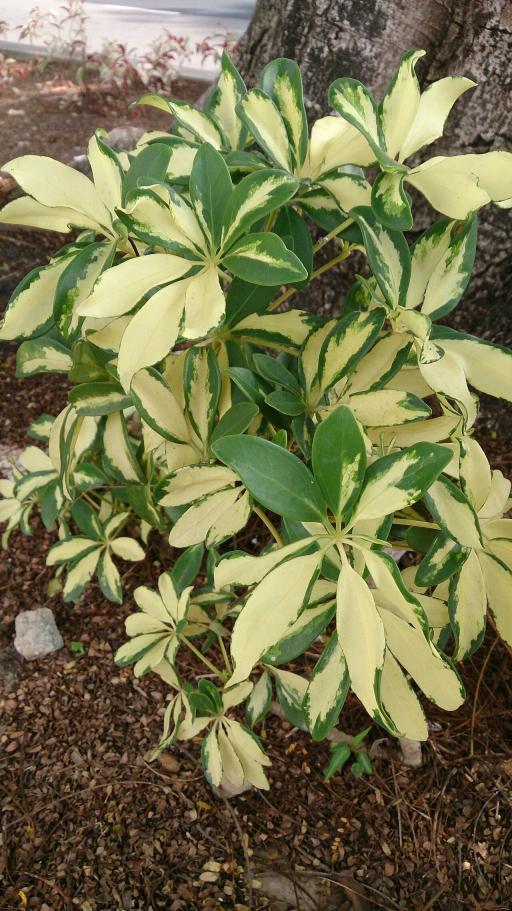
Variegated Button Fern / Dwarf Umbrella Tree mix
A popular tropical shrub featuring glossy, variegated leaves arranged in palmate clusters. It thrives outdoors in warmer climates and makes an excellent decorative landscape plant.
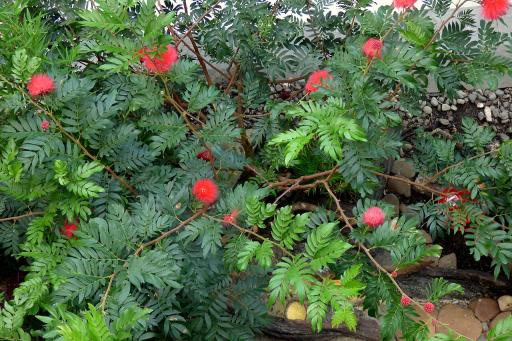
Red Powder Puff
Calliandra haematocephala, commonly known as the red powder puff, is a species of flowering plant in the bean family, Fabaceae. It is native to Bolivia and is widely cultivated in tropical and subtropical regions for its striking, pom-pom-like red flowers.
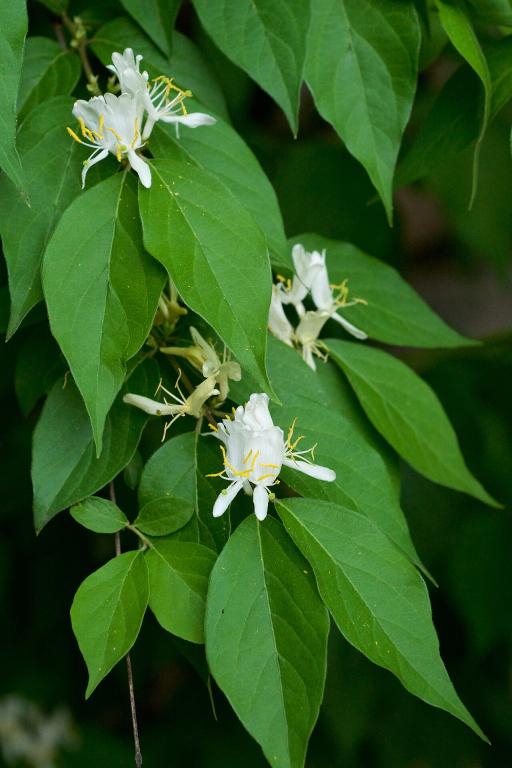
Amur Honeysuckle
Lonicera maackii, commonly known as Amur honeysuckle, is a large deciduous shrub native to temperate Asia. It is widely known for its fragrant white flowers that fade to yellow, dark green leaves, and abundant bright red berries that persist into winter.
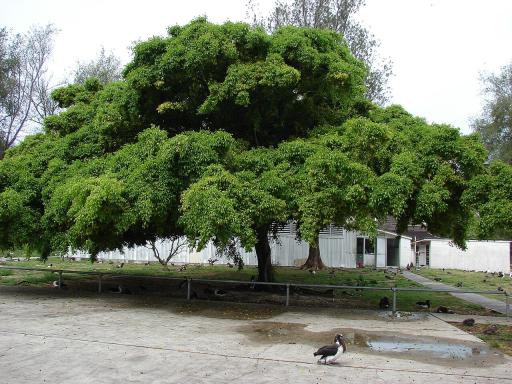
Weeping Fig
Ficus benjamina, commonly known as the weeping fig, benjamin fig or ficus tree, is a species of plant in the family Moraceae, native to Asia and Australia.
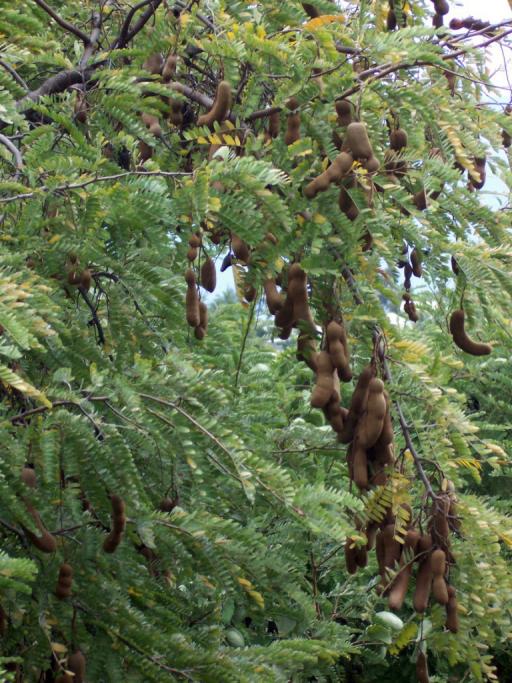
Tamarind
Tamarind is a long-lived, medium-growth tropical tree that produces edible, pod-like fruit which are used extensively in cuisines around the world.
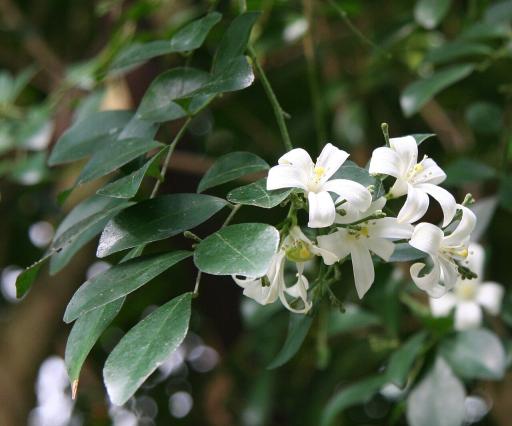
Orange Jasmine
Murraya paniculata is a tropical, evergreen shrub or small tree native to South Asia, Southeast Asia, and parts of Australasia and China. It produces small, white, highly fragrant flowers and is widely used for hedges and ornamental landscaping.
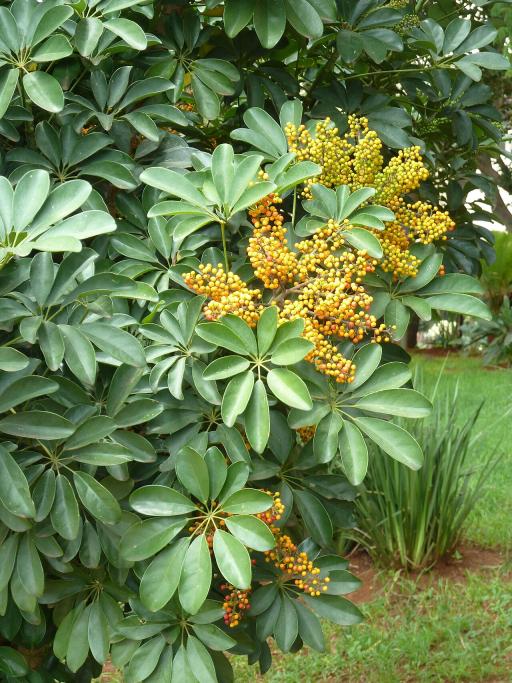
Dwarf Umbrella Tree
Heptapleurum arboricola, commonly known as the dwarf umbrella tree, is a popular foliage houseplant and outdoor shrub known for its glossy, palmately compound leaves arranged like an umbrella's spokes.
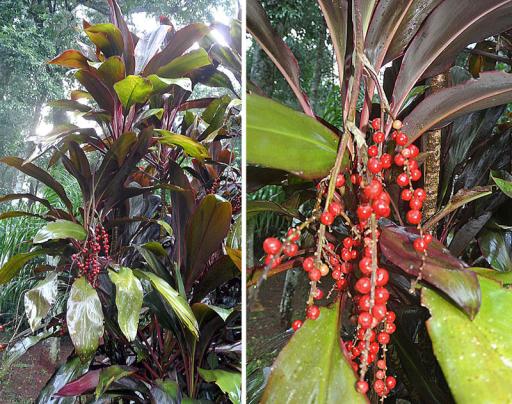
Ti Plant
Cordyline fruticosa, commonly known as the Ti plant, is an evergreen woody plant native to tropical southeastern Asia, Austronesia, and Oceania. It is widely grown as an ornamental plant for its vibrant, colorful foliage ranging from deep purples and reds to greens.
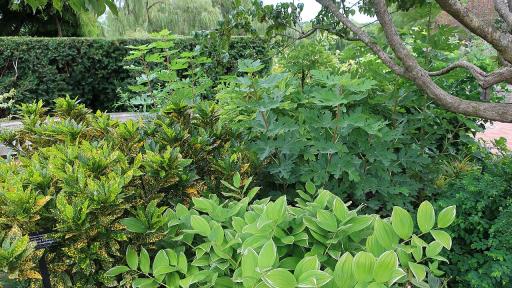
Gold Dust Croton
Codiaeum variegatum 'Gold Dust' is a popular ornamental shrub known for its leathery, glossy leaves speckled with bright yellow or gold spots. It thrives in warm climates and bright indirect to direct sunlight.
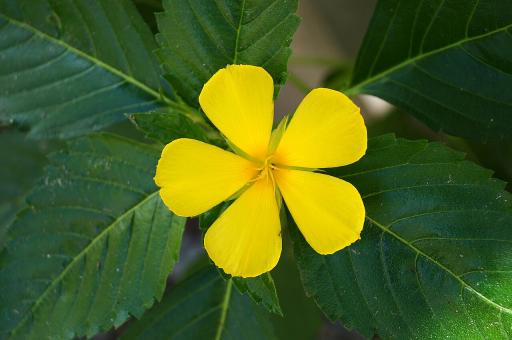
Yellow Alder
Turnera ulmifolia, commonly known as yellow alder, is a species of plant in the passionflower family that is native to the West Indies and Mexico. It is a perennial shrub known for its bright yellow flowers that open in the morning.
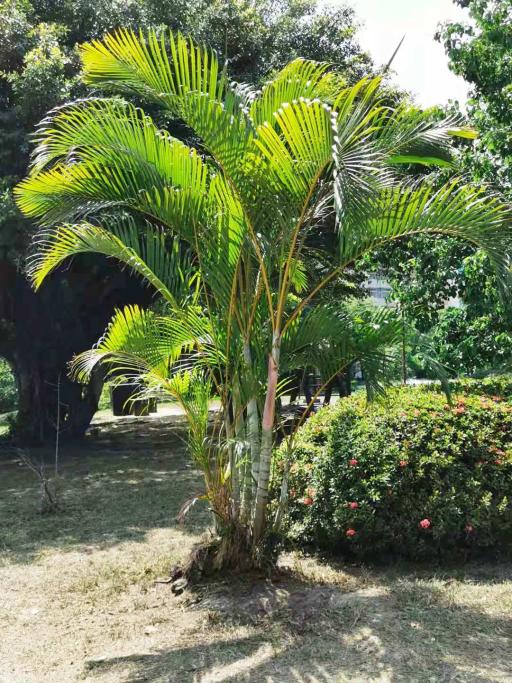
Areca Palm
Dypsis lutescens, also known as the areca palm, golden cane palm, yellow palm, or bamboo palm, is a species of flowering plant in the family Arecaceae, native to Madagascar and naturalized in other regions.
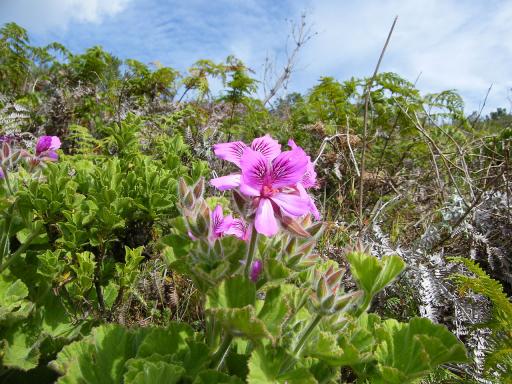
Pelargonium
Pelargonium is a genus of flowering plants native mainly to South Africa, known for their colorful blooms and scented foliage. They are widely grown as ornamental plants in containers, gardens, and indoor settings.
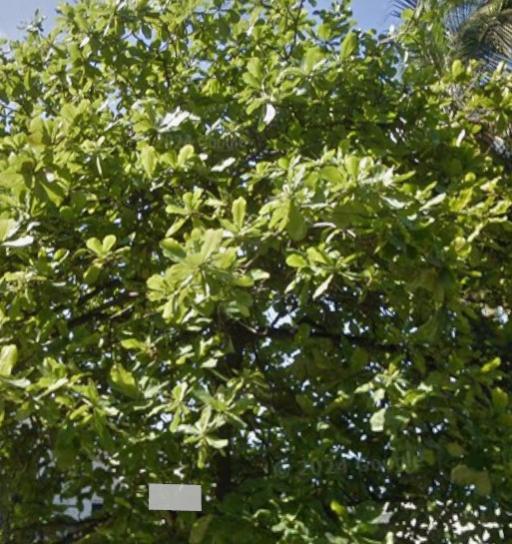
Tropical Almond
Terminalia catappa is a large tropical tree in the leadwood tree family, Combretaceae. It is widely grown in tropical regions of the world for its shade, decorative leaves, and edible nuts.

Rain Tree
Samanea saman, commonly known as the rain tree, is a species of flowering plant in the pea family, Fabaceae. It is a large symmetrical umbrella-shaped tree with beautiful pink flowers and sensitive leaves that fold up before rain or at night.
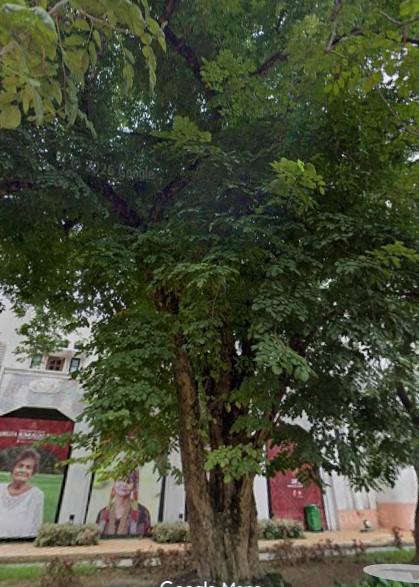
Moringa
Moringa oleifera is a fast-growing, drought-tolerant tree native to the Indian subcontinent, widely cultivated for its nutritious leaves, pods, and flowers.
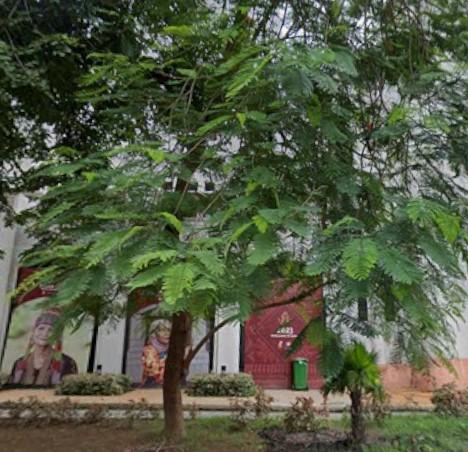
Royal Poinciana
Delonix regia is a species of flowering plant in the bean family Fabaceae, notable for its fern-like leaves and flamboyant display of orange-red flowers over summer.