Indian Borage Disease Diagnostic
Upload a photo of your plant to check for diseases, pests, or nutrient issues and receive a full care plan.
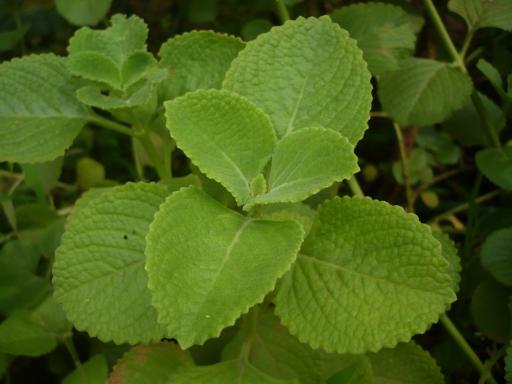
Indian Borage
Indian Borage, scientifically known as Plectranthus amboinicus, is a sprawling perennial succulent herb belonging to the mint family, Lamiaceae. It is widely recognized for its thick, fleshy, pubescent leaves that emit a strong, pungent aroma reminiscent of oregano and thyme when crushed. Native to Southern and Eastern Africa, it has been naturalized across various tropical and subtropical regions worldwide, including parts of Asia, the Caribbean, and Latin America. The plant typically grows as a semi-succulent bush with brittle stems that easily take root wherever they touch the ground. It features small, pale purple, pink, or white flowers clustered in terminal spikes, though it is primarily cultivated for its fragrant foliage rather than its blooms. In traditional medicine and culinary applications, Indian Borage is highly valued. The leaves are frequently used to flavor various meat and stuffing dishes, as well as brewed into herbal teas. Furthermore, its potent essential oils exhibit antimicrobial and anti-inflammatory properties, making it a popular natural remedy for treating respiratory conditions such as coughs, sore throats, and asthma. Cultivating this herb is relatively straightforward, as it thrives in well-draining soils and warm, sunny environments, requiring minimal maintenance once established.